


6 Most Common Causes of a Toothache
Dealing with a throbbing toothache? Discover the six most common causes of your pain and learn how James Rochefort, DMD, in Dover, NH, can help you find fast, lasting relief.
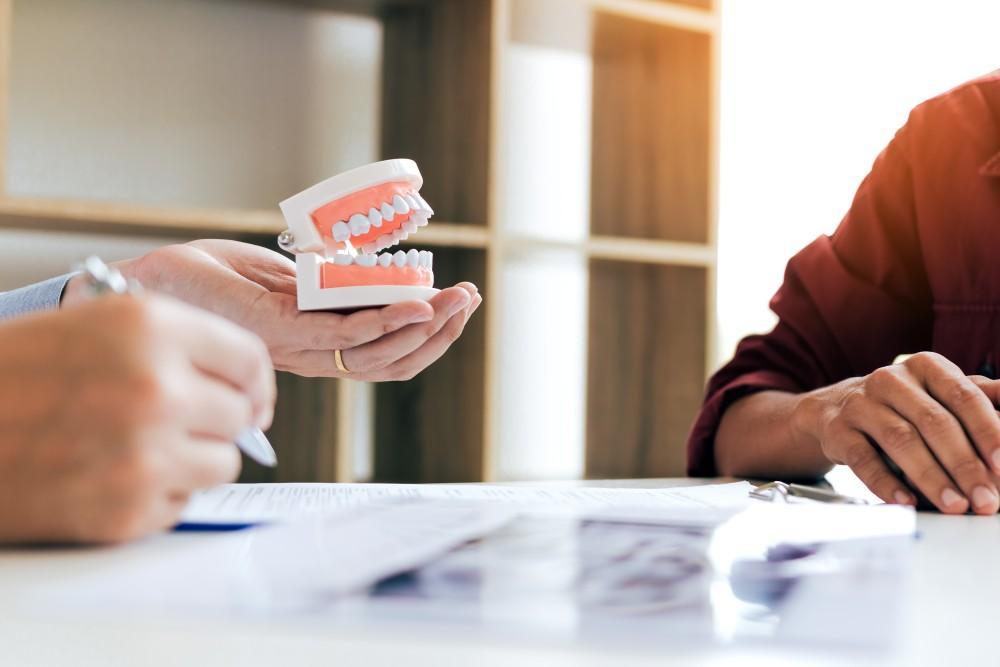
At Dr. James Rochefort, Family Dentistry in Dover, NH, we know that getting dentures is a major life transition. Whether you are replacing a few teeth or a full arch, adjusting to a new prosthesis takes time. Dr. James Rochefort and our team are here to guide you through every step of this journey.
It is completely normal to feel a bit hesitant or uncomfortable at first. Your mouth, tongue, and jaw muscles need time to adapt to a new physical environment.
Fortunately, proven strategies can help you navigate this transition smoothly.
If your new dentures cause a temporary lisp, reading aloud is one of the best ways to regain your normal speech. This active exercise helps your tongue and cheeks adapt to your mouth's new shape.
The acrylic base of a denture slightly changes the space inside your mouth, which can alter how you make certain sounds. Daily practice trains your oral muscles to coordinate around the prosthesis. A systematic review in Frontics in Dental Medicine found that reading aloud for 15 to 20 minutes daily improves speech satisfaction.
At our Dover, NH office, we can also check the physical fit of your dentures to ensure they are not too bulky.
Remove your dentures every night before bed to keep your gums healthy. Your oral tissues need time to rest and recover from the pressure of holding the prosthesis.
Removing your dentures overnight allows your gums to oxygenate and maintain normal salivary flow. On the other hand, leaving your dentures in 24 hours a day can trap bacteria and yeast against your gums, leading to painful infections.
We always discuss proper wear schedules during your custom fitting appointments.
Daily cleaning is essential to prevent bacterial buildup, but avoid hot or boiling water. High temperatures can permanently warp the acrylic, ruining your appliance's custom fit.
Soak your dentures daily in a nonabrasive chemical cleanser rather than brushing them with standard toothpaste. Standard toothpaste contains abrasive particles that can scratch the acrylic, creating tiny pockets where bacteria grow.
Using a gentle, specialized cleanser keeps them smooth and sanitary. If you ever suspect your dentures have warped, contact us immediately for an evaluation.
Chewing with dentures requires a different technique than eating with natural teeth. Start with soft foods and cut your meals into much smaller pieces than you normally would.
Because natural teeth are anchored in bone by a supportive ligament, they can absorb heavy chewing forces. Dentures, on the other hand, rest on soft, compressible gums. To prevent soreness and keep your dentures stable, chew slowly and distribute food evenly on both sides of your mouth.
Our team can guide you on proper chewing techniques and adjust your bite if you experience persistent sore spots.
If your lower denture constantly slips or feels impossible to wear, your jawbone shape may be the issue. Over time, the bone that once supported your teeth naturally shrinks.
When you have significant bone loss, conventional dentures have little foundation to grip. In these cases, Dr. Rochefort can evaluate your jaw and discuss advanced options, such as implant-supported dentures, to restore stability. We also offer professional relines to adjust your current fit as your mouth changes.
Adjusting to dentures is a journey, but you do not have to navigate it alone. Our team at Dr. James Rochefort, Family Dentistry is dedicated to helping you achieve a comfortable, functional, and beautiful smile.
If you are experiencing persistent sore spots, slippage, or speech issues related to denture wear, we can help. Schedule a visit with us today in Dover, NH, to discuss your denture care and find the right solutions for your lifestyle.

